Baking & Desserts Classic Vanilla Butter Cake
Highlighted under: Home-Style Sweets
I absolutely love making this Classic Vanilla Butter Cake because it never fails to impress my family and friends. The buttery flavor and rich vanilla aroma fill the kitchen, making it a perfect treat for any occasion. This cake has a beautifully tender crumb and can be easily dressed up or enjoyed plain. Whether it's for a birthday, a holiday gathering, or just a casual dessert, I know this recipe will deliver a delightful experience every time.
During my last baking session, I decided to revisit the Classic Vanilla Butter Cake, a cherished family recipe that has been passed down for generations. As I mixed the batter, the familiar scent of vanilla wafted through the air, bringing back comforting memories of childhood celebrations. I carefully measured my ingredients, ensuring that the butter was at the perfect room temperature to create that light, airy texture we all love.
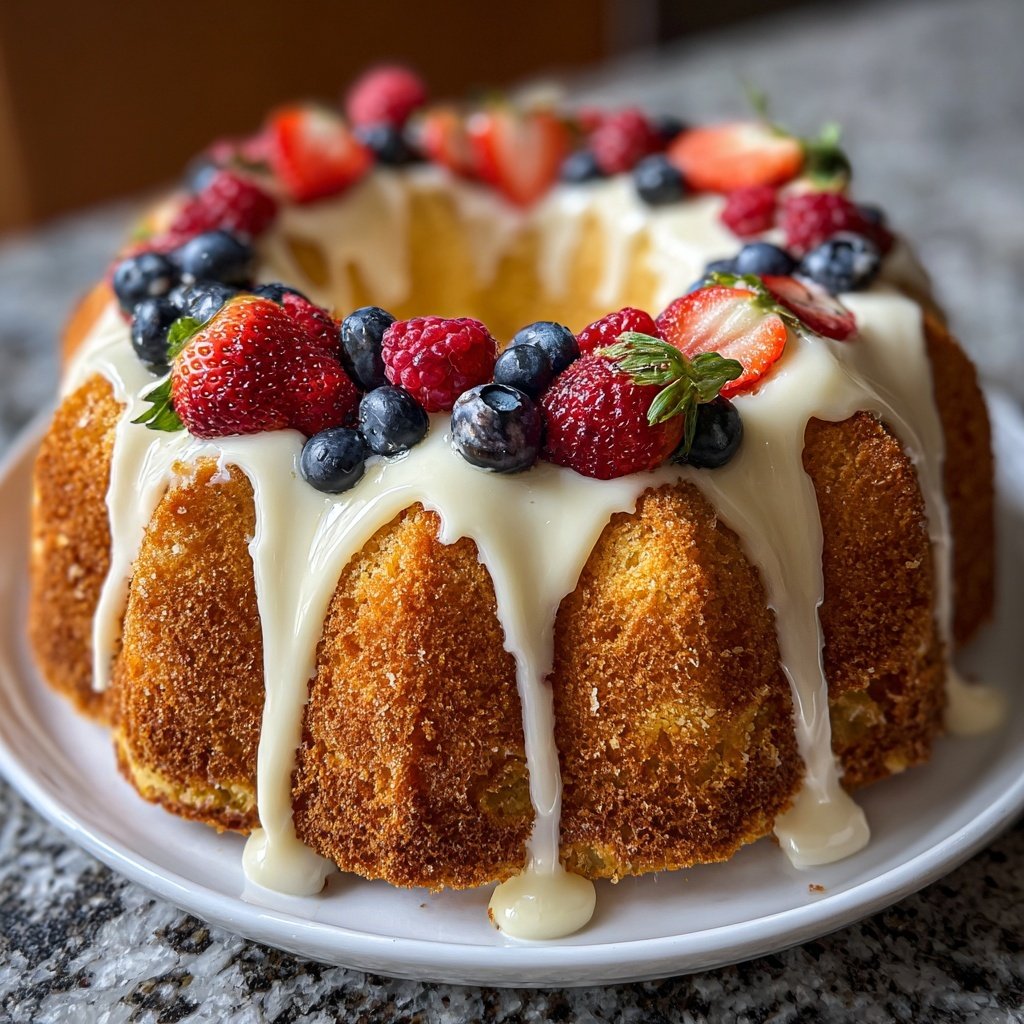
When the cake was finally out of the oven, I couldn't resist the temptation to taste a warm slice. The cake was perfectly baked, with a golden crust and a tender crumb. I topped it off with a simple dusting of powdered sugar, allowing the flavor to shine through. It’s such a straightforward recipe, yet the results are incredibly rewarding, making it one of my go-to desserts.
Why You'll Love This Recipe
- Buttery flavor that melts in your mouth
- Versatile enough to customize with fruits or frostings
- Perfect for special occasions or everyday indulgences
Understanding the Ingredients
The choice of ingredients plays a crucial role in the outcome of this Classic Vanilla Butter Cake. Unsalted butter is used for better control over the salt levels in the cake, while the high-fat content creates a rich, buttery flavor and tender crumb. Granulated sugar not only sweetens but also contributes to the cake's structure and moisture. For the best results, ensure your butter is softened to room temperature before creaming with the sugar; this helps achieve a light and airy texture.
Eggs are vital in this recipe as they provide structure, stability, and moisture. It's best to use large eggs at room temperature for optimal blending. The addition of whole milk enhances the cake's moisture and softness, and don’t rush adding it in; alternating with the dry ingredients allows for a smoother batter. This technique helps in preventing over-mixing, which could result in a denser cake.
Baking Techniques for Success
When preparing to bake, proper oven temperature is essential. Make sure your oven is fully preheated to 350°F (175°C) before placing the cake inside; an adequately heated oven ensures even baking. If you notice uneven baking or a dome shape, it may indicate that the oven temperature is not calibrated correctly. An oven thermometer can be a great tool to ensure your readings are accurate.
Baking times can vary based on your oven and the material of the cake pans used. It's critical to check for doneness by inserting a toothpick into the center; it should come out clean or with a few moist crumbs. Overbaking can dry out the cake, leading to a less pleasant texture. If uncertain, start checking around the 30-minute mark to avoid this common mishap.
Ingredients
Gather all the ingredients before you begin to make this process smoother.
Ingredients
- 2 cups all-purpose flour
- 1 1/2 cups unsalted butter, softened
- 2 cups granulated sugar
- 4 large eggs
- 1 tablespoon pure vanilla extract
- 1 cup whole milk
- 1 tablespoon baking powder
- 1/2 teaspoon salt
Make sure to double-check that you have everything on hand for a seamless baking experience.
Instructions
Preheat your oven before starting to ensure everything bakes evenly.
Preheat the Oven
Preheat your oven to 350°F (175°C) and grease and flour two 9-inch round cake pans.
Mix the Ingredients
In a large bowl, cream the softened butter and sugar together until light and fluffy. Add eggs one at a time, mixing well after each addition. Stir in vanilla.
Combine Dry Ingredients
In a separate bowl, combine the flour, baking powder, and salt. Gradually add the dry ingredients to the wet mixture, alternating with the milk, starting and ending with flour. Mix until just combined.
Bake
Divide the batter evenly between the prepared cake pans. Bake for 30-40 minutes, or until a toothpick inserted into the center comes out clean.
Cool and Serve
Let the cakes cool in the pans for 10 minutes before transferring to wire racks to cool completely. Serve plain or with your favorite frosting.
Enjoy your homemade butter cake with a cup of tea or coffee.
Pro Tips
- For added flavor, consider folding in some chocolate chips or lemon zest into the batter before baking.
Serving Suggestions
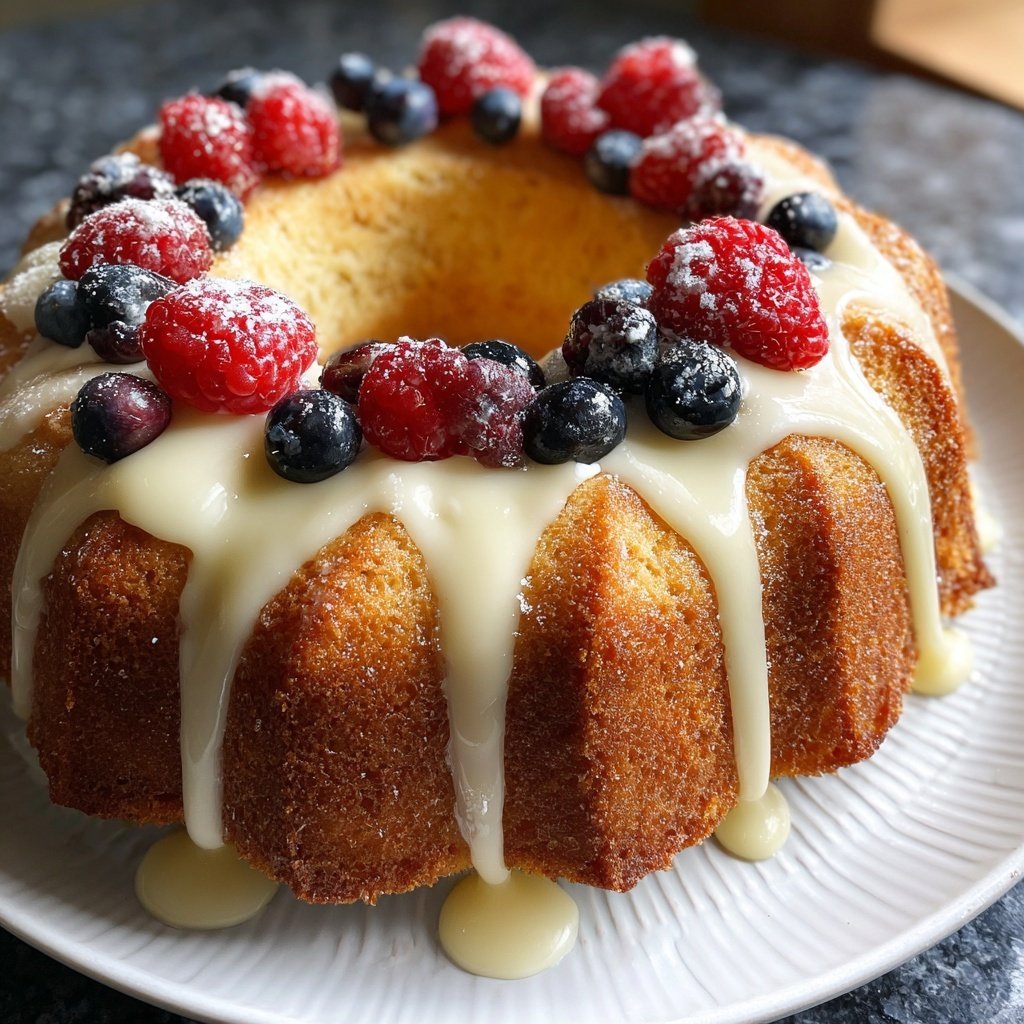
This Classic Vanilla Butter Cake shines when served expertly dressed. A simple dusting of powdered sugar or a light glaze can lift its flavor while showcasing its beautiful texture. For more elaborate presentations, consider pairing it with fresh fruits like berries or seasonal citrus; their tartness can balance the cake's sweetness beautifully. Alternatively, a layer of whipped cream or buttercream frosting adds even more richness and flavor.
For a special touch, you might consider filling the cake with jam or pastry cream between layers. Flavors like raspberry or lemon curd work particularly well and add a delightful surprise when sliced. You can also try a chocolate ganache if you're looking for decadence—just remember to let it cool until it's slightly thickened before pouring over the cake to achieve a smooth finish.
Storage and Make-Ahead Tips
If you plan to bake this cake in advance, it stores quite well in an airtight container at room temperature for up to three days. For longer freshness, it can be wrapped tightly in plastic wrap and stored in the refrigerator for up to a week. Note that refrigeration may cause the cake to dry out, so make sure it's well-covered. You can also freeze the cake, either whole or in slices, for up to three months. Just be sure to wrap it tightly in foil, then place it in a zip-top bag for extra protection against freezer burn.
When ready to serve a frozen cake, allow it to thaw in the refrigerator overnight for best results. If you’ve frosted the cake before freezing, it's better to freeze it un-frosted, then add frosting after thawing. This approach keeps the frosting from becoming too soft or melting during the freeze-thaw process, ensuring a beautifully presented cake when it's time to celebrate.
Questions About Recipes
→ Can I use cake flour instead of all-purpose flour?
Yes, using cake flour will give the cake a lighter, more tender crumb.
→ How do I store leftover cake?
Store leftover cake in an airtight container at room temperature for up to 3 days or in the refrigerator for up to a week.
→ Can I make this cake ahead of time?
Absolutely! You can bake the cake in advance and freeze it. Just wrap it tightly in plastic wrap.
→ What can I use instead of eggs?
You can substitute eggs with unsweetened applesauce or a flaxseed meal mixture for a vegan version.
Baking & Desserts Classic Vanilla Butter Cake
Created by: Delilah Spencer
Recipe Type: Home-Style Sweets
Skill Level: Intermediate
Final Quantity: 8 servings
What You'll Need
Ingredients
- 2 cups all-purpose flour
- 1 1/2 cups unsalted butter, softened
- 2 cups granulated sugar
- 4 large eggs
- 1 tablespoon pure vanilla extract
- 1 cup whole milk
- 1 tablespoon baking powder
- 1/2 teaspoon salt
How-To Steps
Preheat your oven to 350°F (175°C) and grease and flour two 9-inch round cake pans.
In a large bowl, cream the softened butter and sugar together until light and fluffy. Add eggs one at a time, mixing well after each addition. Stir in vanilla.
In a separate bowl, combine the flour, baking powder, and salt. Gradually add the dry ingredients to the wet mixture, alternating with the milk, starting and ending with flour. Mix until just combined.
Divide the batter evenly between the prepared cake pans. Bake for 30-40 minutes, or until a toothpick inserted into the center comes out clean.
Let the cakes cool in the pans for 10 minutes before transferring to wire racks to cool completely. Serve plain or with your favorite frosting.
Extra Tips
- For added flavor, consider folding in some chocolate chips or lemon zest into the batter before baking.
Nutritional Breakdown (Per Serving)
- Calories: 350 kcal
- Total Fat: 24g
- Saturated Fat: 15g
- Cholesterol: 90mg
- Sodium: 250mg
- Total Carbohydrates: 30g
- Dietary Fiber: 0g
- Sugars: 20g
- Protein: 3g